- Email: info@corrochemplast.com
- Contact: +91 9427171318
- Address: G-141, Rajmahal Mall, Beside Millennium Park, Dindoli, Surat-394 210.

Thermoplastic Lined FRP Piping
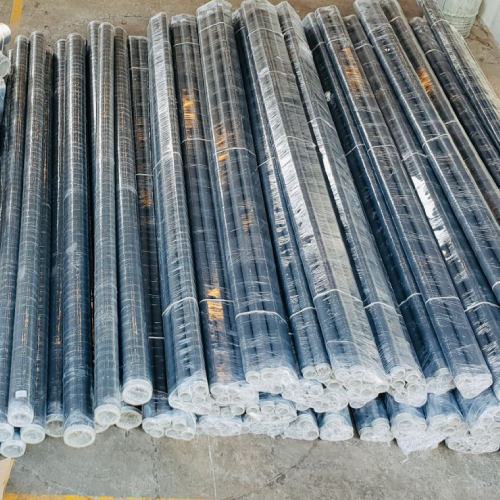
Thermoplastic Lined FRP Piping
Thermoplastic-lined GRP (Glass Reinforced Plastic) pipe systems are a combination of thermoplastic materials and fiberglass-reinforced polymers, offering excellent corrosion resistance and structural strength. These systems are widely used in industries where chemical resistance, lightweight construction, and durability are critical. This system combines the chemical resistance of the thermoplastic or fluoropolymer lining with the strength of the GRP reinforcement. The resulting systems are a cost-effective alternative to rubber lined steel or exotic alloys.
Components of Thermoplastic Lined GRP Pipe Systems
- GRP Pipe Outer Layer: The outer shell is made from glass-reinforced plastic (fiberglass and resin). This layer provides structural strength, impact resistance, and pressure-handling capabilities.
- Thermoplastic Inner Lining: The inside of the pipe is lined with a thermoplastic material like PE, PP, PVDF, or ECTFE. This lining provides high corrosion resistance and chemical protection from aggressive fluids.
- Adhesive Layer: Sometimes, an adhesive or bonding layer is applied between the GRP and thermoplastic layers to ensure strong adhesion and prevent delamination
Joining Methods
- Butt Welding: Commonly used for thermoplastic sections, providing a seamless connection.
- Flanged Connections: Used when frequent disassembly or inspection is required.
- Adhesive Bonding: Sometimes used to bond the GRP layers.
Installation Considerations
- Support and Anchoring: Due to their lightweight nature, GRP pipes need proper support and anchoring to prevent sagging and ensure long-term stability.
- Thermal Expansion: Both the GRP and the thermoplastic liner have different coefficients of thermal expansion, so allowances must be made to accommodate thermal movement.
| FEATURES | APPLICATIONS |
|---|---|
| Corrosion Resistance | Offshore and onshore oil and gas production (for handling seawater, firewater, etc.) |
| Lightweight | Chemical plants for handling corrosive liquids. |
| High Strength-to-Weight Ratio | Desalination plants. |
| Non-conductive | Water distribution and sewage systems. |
| Longevity | Power plants for cooling systems and other utilities. |